

Our procedures
Preserving environments and biodiversity
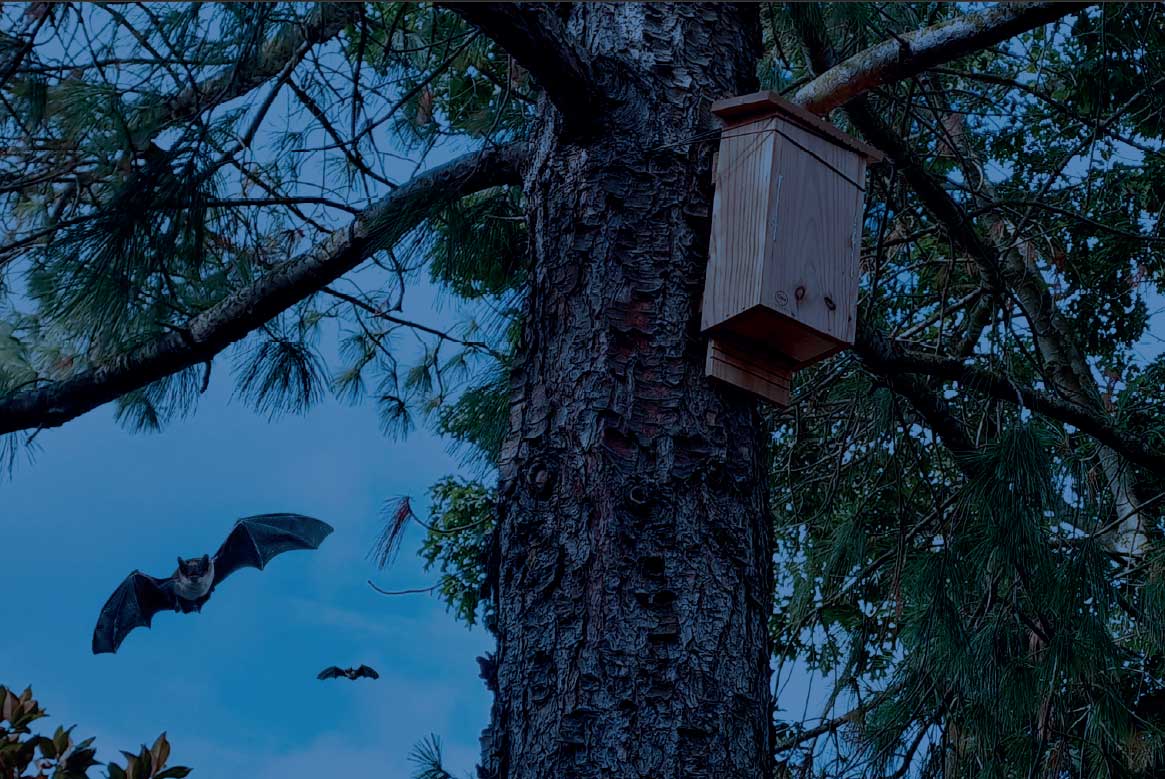
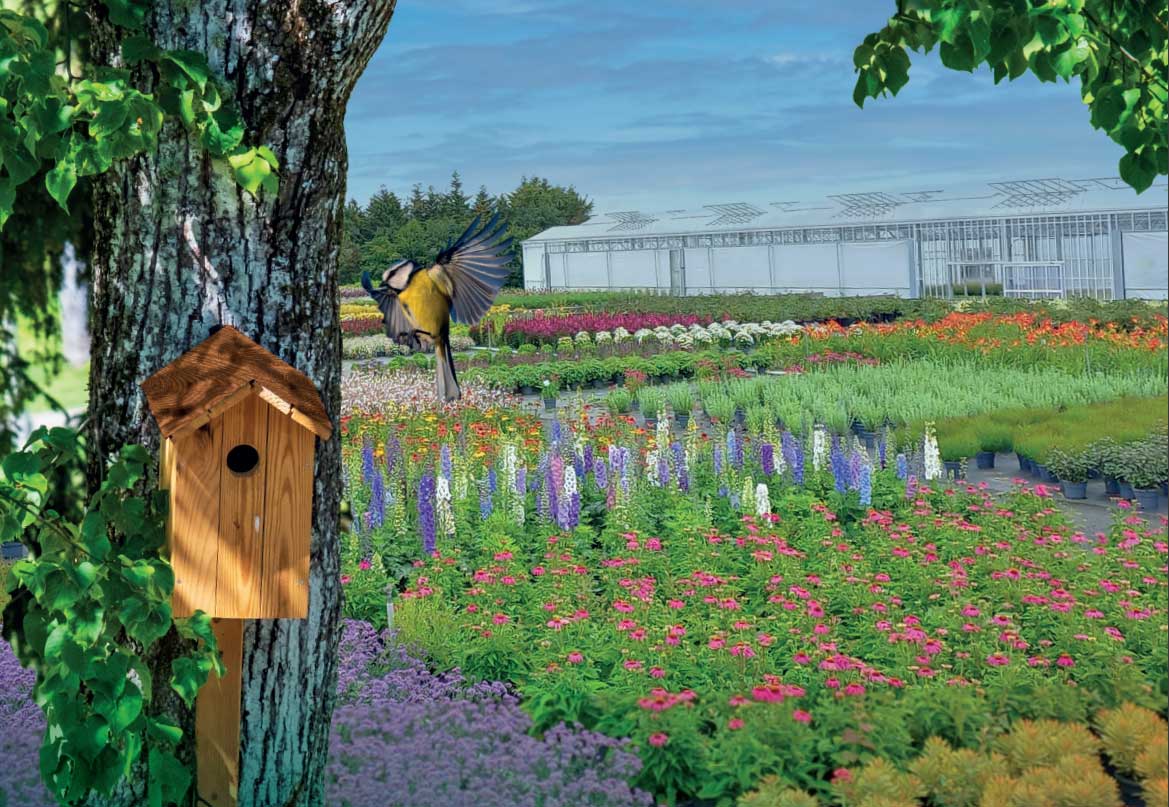
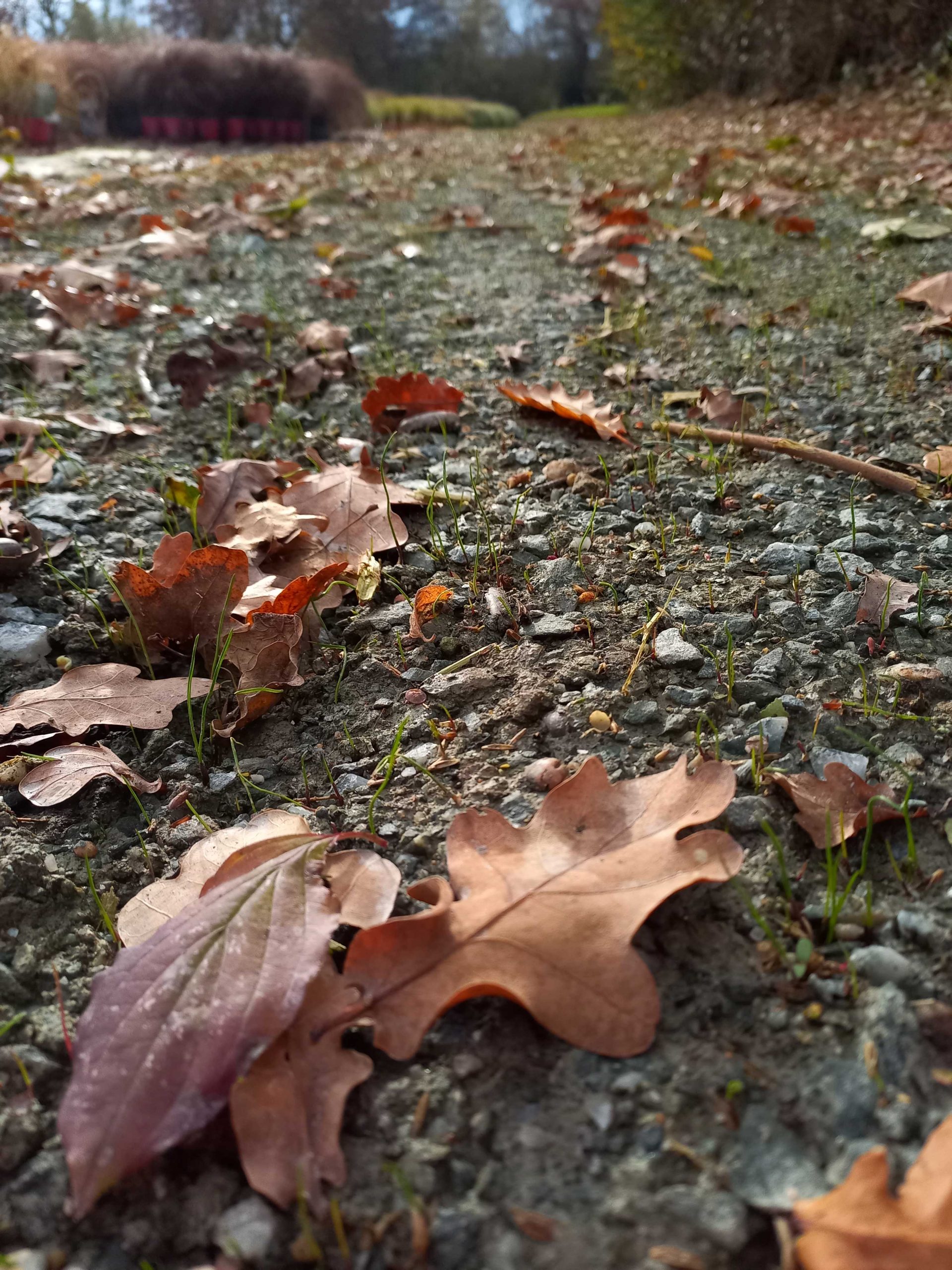
For over 10 years, Maison Barrault has been committed to environmentally-friendly production. We reduce our consumption of fertilizers, phytosanitary products and water thanks to controlled cultivation and precise monitoring tools. Over 85% of water used for irrigation is recovered and reused. We promote biodiversity by planting hedgerows and flower beds, grassing driveways and installing nesting boxes and natural shelters for beneficial insects. Our greenhouse crops use Biologically Integrated Protection (BIP), limiting chemical treatments to a minimum. Finally, we monitor our plots to prevent the risks associated with harmful organisms and invasive species, while respecting the environment and public health.
Reducing environmental impact
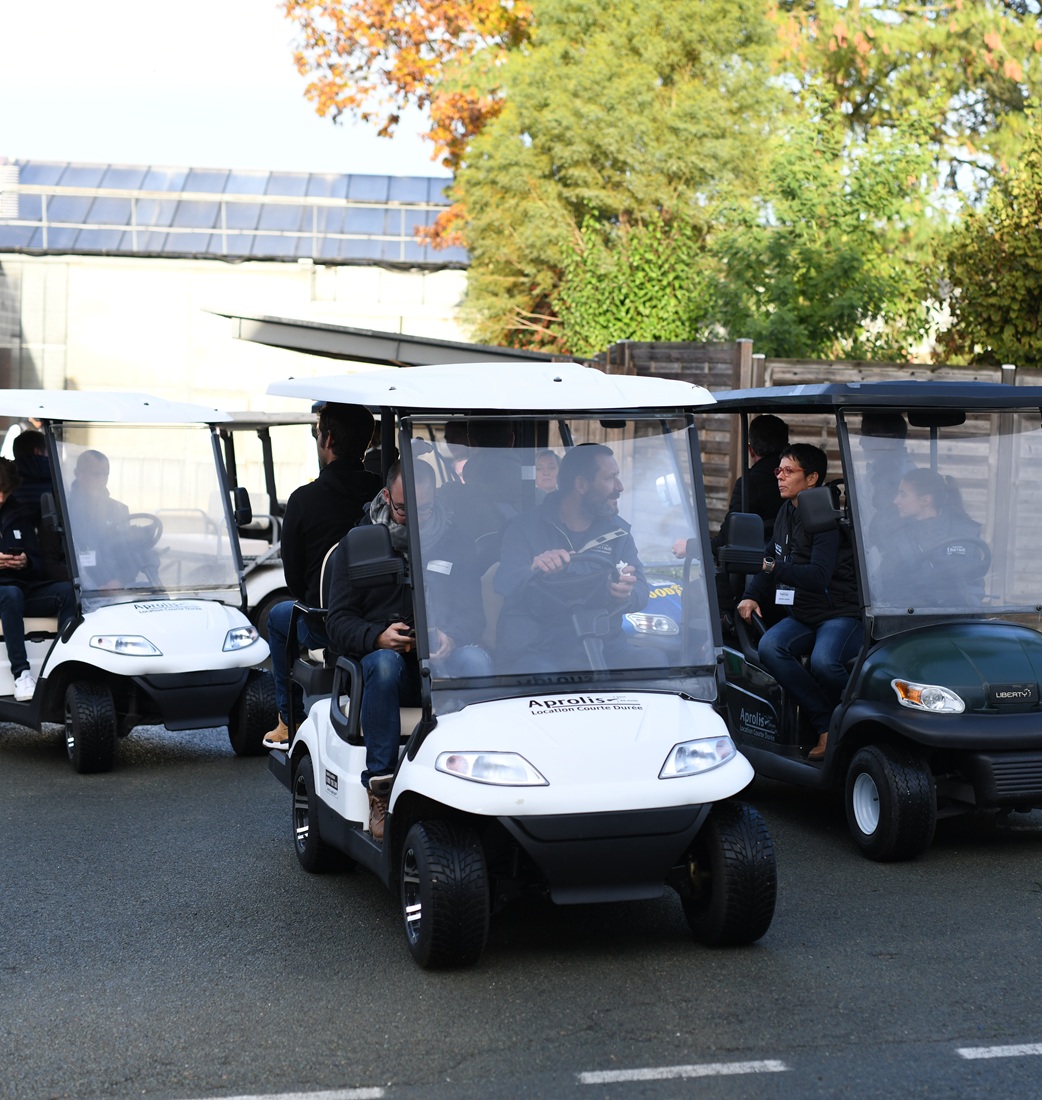
As part of an eco-design approach, the horticultural pots used are recyclable, reusable and detectable. Maison Barrault takes effective action to reduce its environmental impact by optimizing the transportation of goods and personnel, and by using shared vehicles, 50% of which are electric. Together with the CNPH de la Piverdière and O2m, we have embarked on an eco-design approach, in which life-cycle analyses have been carried out on various plant productions. This method is based on the Hortifootprint model.
Waste management
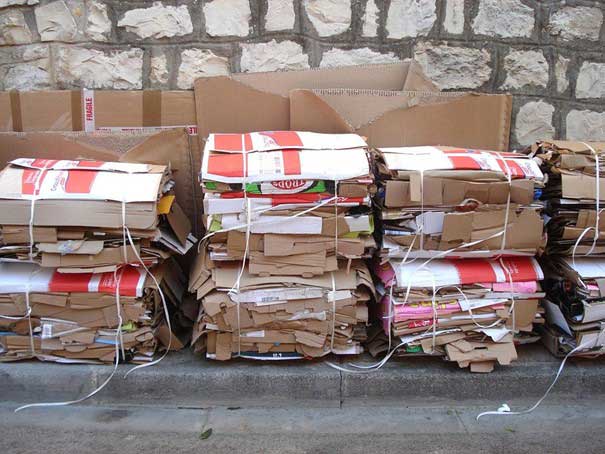
We have implemented rigorous selective sorting throughout the site (production, offices, catering areas) to encourage the recycling of paper, plastic, cardboard, batteries, ink cartridges, green waste and specific containers. Today, 95% of paper, plastic and cardboard is recycled by a CAT, while discarded plants are sorted and recycled by Anjou Bio Masse. The rest of the waste is handled by specialized service providers.
Energy and heating management
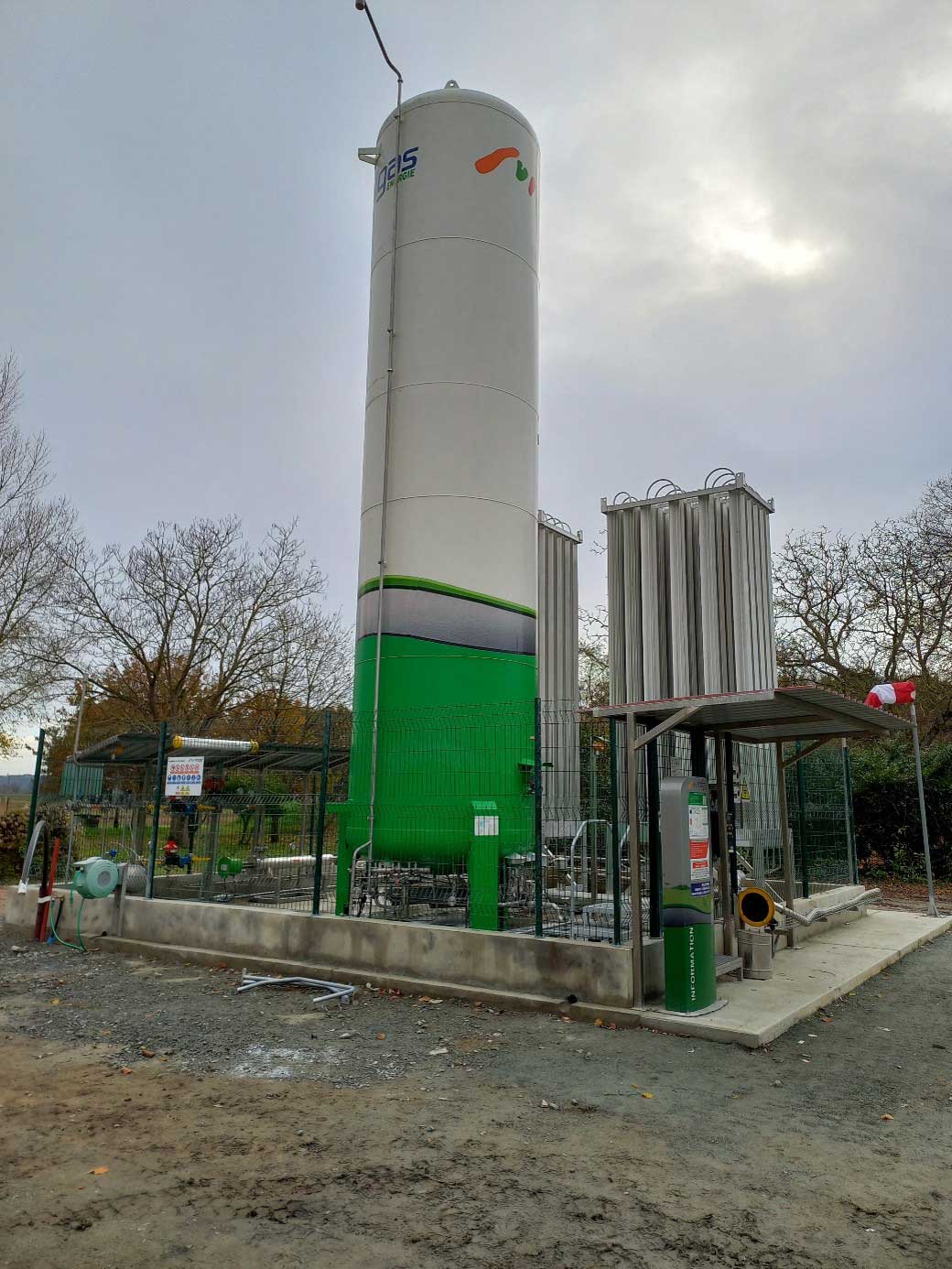
We heat our greenhouses with liquefied natural gas (LNG) and oil-fired boilers, and an open-buffer hot-water storage system, ensuring heating adapted to crop needs. To limit energy consumption, we combine precise climate management, climate computers, electric circulation, reduced office heating in off-peak periods and optimized travel.
Water recovery and treatment
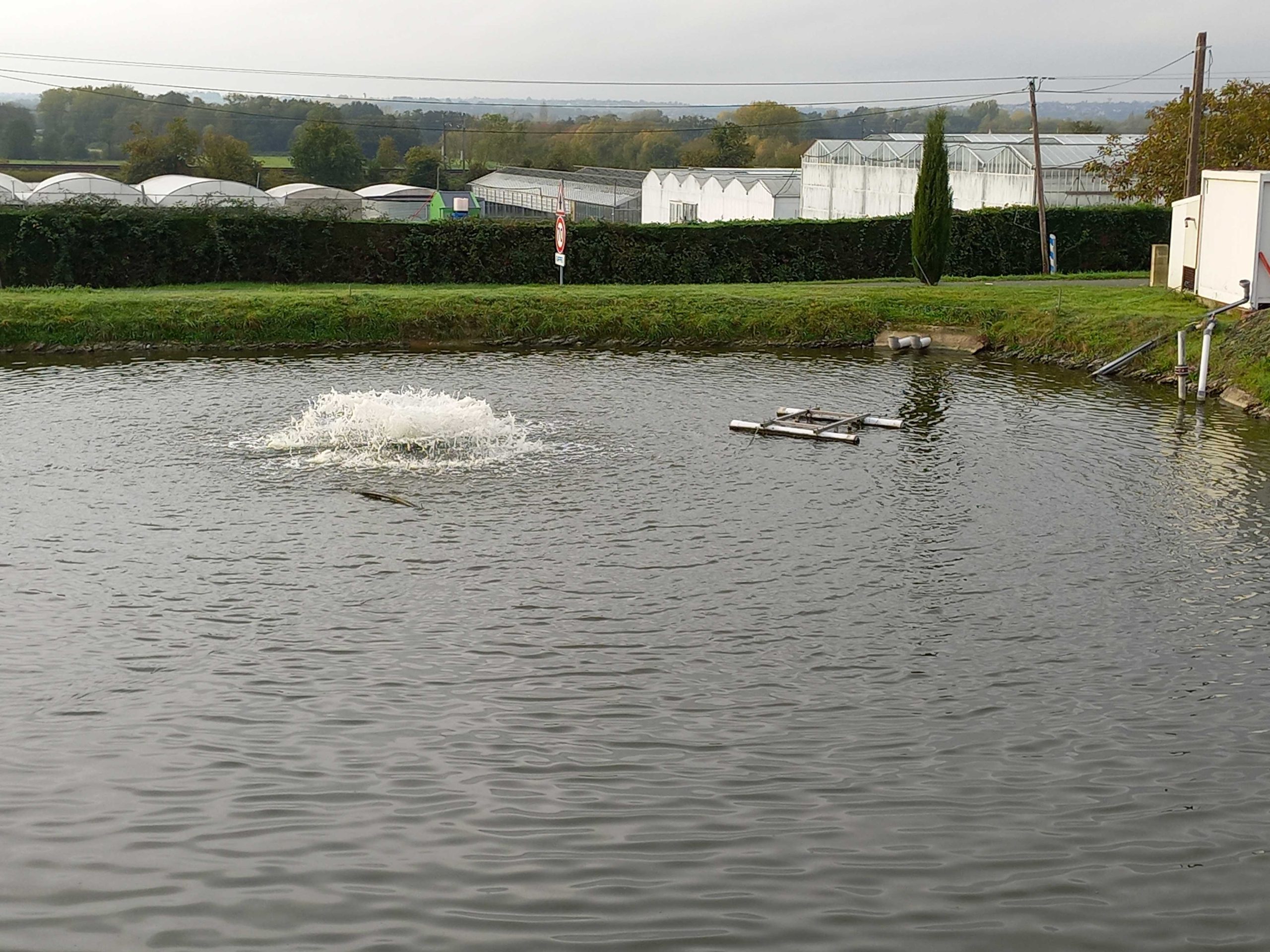
Maison Barrault manages water with care, thanks to an irrigation network and ponds covering its 32 hectares, enabling 85% of rain and irrigation water to be recycled, i.e. 70,000 m³ per year. Our ponds, fed by this water, ensure crop watering, supplemented by adapted systems: drip, mist, trickle and sprinkler. Water quality is monitored throughout the year.